Best Goat Breeds for Beginners 2025: Top 10 Easiest Goats to Raise
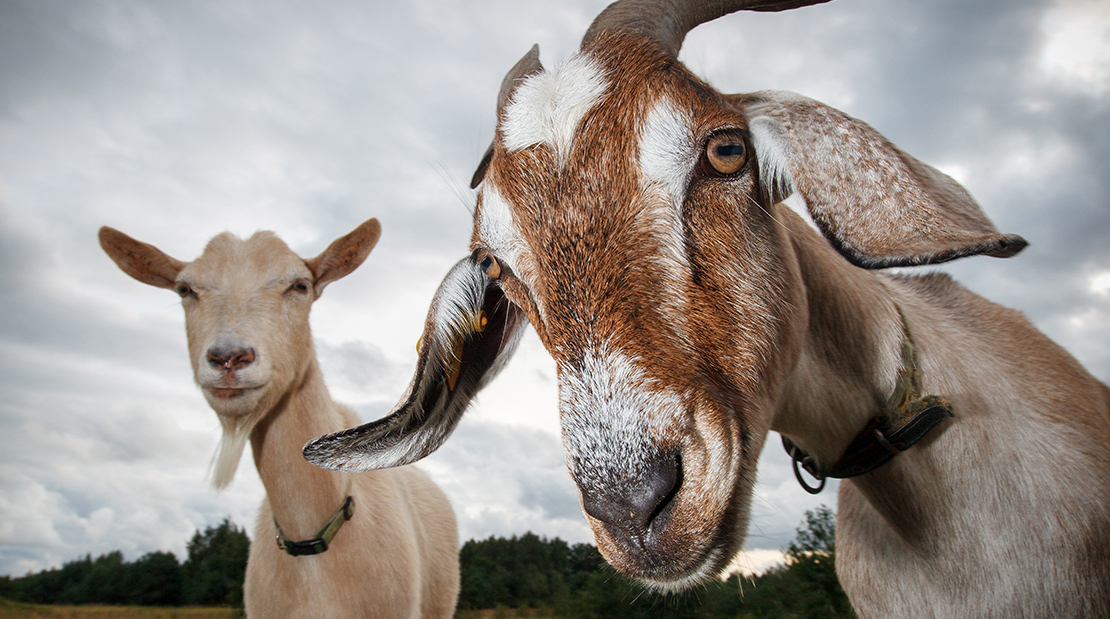
Expert Summary: Best Goat Breeds for First-Time Owners
Nigerian Dwarf goats are America's #1 choice for beginners due to their small size (under 23 inches), easy care requirements, and high-quality milk production (1-2 quarts daily). Pygmy goats rank second for their friendly temperament and compact build, ideal for small backyards. For dairy-focused beginners, Nubian goats offer rich 5% butterfat milk with minimal health issues. All three breeds are disease-resistant, require standard fencing, and adapt well to various climates. First-time owners should budget $75-300 per goat, with annual care costs around $300-500. This guide compares 10 beginner-friendly breeds based on size, temperament, milk production, and maintenance needs, helping you choose the perfect starter goat for your homestead or small farm in 2025.
Top 10 Goat Breeds Comparison Table
| Breed | Size | Primary Use | Milk/Day | Temperament | Best For |
|---|---|---|---|---|---|
| Nigerian Dwarf | 17-23 inches | Dairy | 1-2 quarts | Friendly, curious | Small farms, families |
| Pygmy | 16-23 inches | Pet/Companion | Minimal | Playful, social | Backyard pets, kids |
| Nubian | 30-35 inches | Dairy | 2-3 quarts | Affectionate, vocal | Dairy beginners |
| LaMancha | 28-30 inches | Dairy | 2-3 quarts | Calm, quiet | Peaceful homesteads |
| Saanen | 30-32 inches | Dairy | 3-4 quarts | Gentle, docile | High milk production |
| Alpine | 30-32 inches | Dairy | 2-3 quarts | Hardy, active | Active owners, mixed farms |
| Angora | 24-30 inches | Fiber | None | Calm, gentle | Fiber production, crafters |
| Mini Nubian | 22-27 inches | Dairy | 1.5-2.5 quarts | Friendly, vocal | Limited space + milk |
| Oberhasli | 28-30 inches | Dairy | 2-3 quarts | Sweet, calm | Unique breeds, quiet farms |
| Toggenburg | 26-28 inches | Dairy | 2-3 quarts | Reliable, adaptable | Traditional dairy |
1. Nigerian Dwarf Goats: America's #1 Beginner Breed
Nigerian Dwarf goats are the most popular beginner breed in America. Standing under 2 feet tall, they're perfect for small farms and suburban backyards. Despite their size, they produce surprising amounts of high-quality milk with exceptional butterfat content (6-10%), ideal for cheese and soap making.
Why They're Perfect for Beginners:
- Minimal space requirements (200-300 sq ft per goat)
- Easy to handle due to small size
- Disease-resistant and hardy in all climates
- Friendly temperament, excellent with children
- Year-round breeding capability
- Low feed costs ($20-30/month per goat)
Best For: Urban homesteaders, families with kids, small dairy operations, first-time goat owners with limited space
Climate Adaptability: Excellent in hot and cold weather (0°F to 100°F with proper shelter)
2. Pygmy Goats: The Perfect Backyard Companion
Pygmy goats were originally bred as companion animals, making them naturally friendly and social. They're the most popular pet goat breed in America, known for their playful personalities and compact size.
Why They're Perfect for Beginners:
- Extremely friendly and social with humans
- Require minimal grooming and care
- Excellent for children's 4-H projects
- Hardy and disease-resistant
- Low maintenance feed requirements
- Perfect for therapy and educational programs
Nigerian Dwarf vs Pygmy Goats: While similar in size, Nigerian Dwarfs are dairy goats producing 1-2 quarts of milk daily, while Pygmies are strictly companion animals with minimal milk production. Pygmies are stockier and more muscular, while Nigerian Dwarfs are more refined and dairy-focused.
Best For: Backyard pets, children's projects, therapy animals, families wanting low-maintenance companions
3. Nubian Goats: Best Dairy Goat for Beginners
Nubian goats are instantly recognizable by their long, floppy ears and Roman noses. They're America's most popular dairy goat breed for beginners, producing rich, creamy milk perfect for cheese, yogurt, and soap.
Why They're Perfect for Beginners:
- Very affectionate and people-oriented
- Adaptable to hot climates (heat-tolerant)
- Rich milk with high butterfat (4-5%)
- Easy birthing with minimal complications
- Strong maternal instincts
- Long lactation periods (10 months average)
Special Note: Nubians are vocal and expressive, often "talking" to their owners. This makes them entertaining but may not suit quiet neighborhoods.
Best For: Dairy beginners, cheese makers, families wanting personality, hot climate regions
4. LaMancha Goats: The Quiet Dairy Producer
LaMancha goats are famous for their tiny "gopher ears" (under 1 inch) and calm demeanor. They're the quietest dairy breed, making them ideal for beginners who want peaceful, productive goats.
Why They're Perfect for Beginners:
- Extremely calm and even-tempered
- Minimal vocalizations (very quiet)
- Consistent milk production year-round
- Hardy in extreme temperatures
- Low-maintenance health needs
- High protein milk (3.4-3.8%)
Best For: Beginners wanting peace and quiet, steady milk production, cold climates
5. Saanen Goats: The Dairy Powerhouse
Saanen goats are Switzerland's gift to American dairy farms. These pure white goats are the world's highest milk producers, delivering 3-4 quarts daily with proper care.
Why They're Perfect for Beginners:
- Gentle, docile temperament
- Highest milk volume of any breed
- Adaptable to various management systems
- Long productive lifespan (10+ years)
- Easy to train for milking
- Excellent foragers
Climate Consideration: Saanens prefer cooler climates and need shade in hot weather due to their white coat.
Best For: High-volume dairy needs, commercial dairy beginners, cooler climates
6. Alpine Goats: The Versatile All-Arounder
Alpine goats come in stunning color combinations and patterns. They're hardy, adaptable mountain goats that thrive in various climates and terrains.
Why They're Perfect for Beginners:
- Extremely hardy and disease-resistant
- Excellent foragers (lower feed costs)
- Adaptable to rough terrain
- Balanced milk production and butterfat
- Alert and intelligent
- Weather-resistant coat
Best For: Active owners, mixed small farms, hilly terrain, variable climates
7. Angora Goats: Best Fiber Goat for Beginners
Angora goats produce luxurious mohair fiber, prized by crafters and fiber artists worldwide. They're surprisingly low-maintenance despite their fluffy appearance.
Why They're Perfect for Beginners:
- Calm, gentle temperament
- Easy to shear (twice yearly)
- Mohair sells for $5-15/lb
- Minimal behavioral issues
- Hardy in dry climates
- Low feed requirements
Best For: Fiber enthusiasts, crafters, spinners, weavers, dry climate regions
8. Mini Nubian Goats: Small Size, Big Milk
Mini Nubians combine the best traits of Nigerian Dwarfs (small size, high butterfat) and Nubians (personality, milk volume). They're a designer breed perfect for space-limited dairy operations.
Why They're Perfect for Beginners:
- Perfect size for small homesteads
- Rich, creamy milk (5-6% butterfat)
- Friendly Nubian personality
- Easier handling than standard Nubians
- Lower feed costs than full-size goats
- Beautiful long ears and coloring
Best For: Limited space with dairy goals, families wanting manageable-size dairy goats
9. Oberhasli Goats: The Underrated Swiss Beauty
Oberhasli goats feature stunning reddish-brown coats with black markings. They're less common but incredibly gentle and beginner-friendly.
Why They're Perfect for Beginners:
- Sweet, calm nature
- Consistent milk production
- Beautiful, unique coloring
- Hardy Swiss genetics
- Excellent mothers
- Easy to manage
Best For: Quiet homesteads, unique breed enthusiasts, steady dairy production
10. Toggenburg Goats: The Classic Dairy Starter
Toggenburg is the oldest registered dairy breed (dating to 1600s Switzerland). They're reliable, proven performers perfect for traditional dairy beginners.
Why They're Perfect for Beginners:
- Time-tested reliability
- Adaptable to various climates
- Consistent producers
- Affectionate and people-oriented
- Hardy and disease-resistant
- Long productive lifespan
Best For: Traditional dairy starters, proven genetics, reliable milk production
Dairy Goats vs Meat Goats: Key Differences for Beginners
| Factor | Dairy Goats | Meat Goats |
|---|---|---|
| Primary Purpose | Milk production | Meat production |
| Build | Lean, angular, dairy-shaped | Muscular, stocky, wide |
| Daily Care | Milking 2x daily, higher feed needs | Low maintenance, pasture-based |
| Time Commitment | High (30-60 min daily) | Low (15-30 min daily) |
| Feed Costs | $30-50/month | $20-30/month |
| Best Breeds | Nigerian Dwarf, Nubian, Saanen | Boer, Kiko, Spanish |
Frequently Asked Questions About Beginner Goat Breeds
What is the best goat breed for beginners?
Nigerian Dwarf goats are the #1 recommended breed for first-time owners. They're small (under 23 inches), easy to handle, produce 1-2 quarts of high-quality milk daily, and are extremely friendly with children. They require minimal space (200-300 sq ft per goat), cost $75-300, and adapt well to suburban and urban homesteads. For non-dairy purposes, Pygmy goats are equally beginner-friendly as companion animals.
What goat breeds are the most friendly?
Pygmy goats rank as the friendliest breed, bred specifically as companion animals. Nigerian Dwarf goats come second, known for their curious and affectionate nature. Nubian goats are also extremely people-oriented and vocal, often following their owners around. All three breeds are excellent with children and make ideal family pets. LaMancha and Oberhasli goats are calm and gentle but less outgoing than Pygmies or Nubians.
Which goats produce the most milk?
Saanen goats are the world's highest milk producers, yielding 3-4 quarts (up to 1 gallon) daily. Nubian goats produce 2-3 quarts daily with higher butterfat (4-5%) than Saanens (2.5-3%). For small-scale dairy, Nigerian Dwarf goats offer the best milk quality with 6-10% butterfat, producing 1-2 quarts daily. Alpine and LaMancha goats both produce 2-3 quarts daily with balanced butterfat around 3.5-4%.
What are the easiest goats to take care of?
Pygmy goats require the least maintenance, needing only basic feed, water, shelter, and companionship. They don't require milking or special grooming. Nigerian Dwarf goats are second-easiest for dairy breeds, with simple milking routines and minimal health issues. Boer meat goats are extremely low-maintenance for pasture-based systems. Avoid Angora goats if you're seeking ultra-low maintenance, as they require shearing twice yearly.
What is the best small goat breed?
Nigerian Dwarf goats (17-23 inches, 75 lbs) are the best small dairy breed, producing surprising amounts of rich milk. Pygmy goats (16-23 inches, 50-75 lbs) are the best small pet breed, bred specifically for companionship. Both breeds require only 200-300 sq ft per goat, making them perfect for small farms, suburban backyards, and urban homesteads. Mini Nubian goats (22-27 inches) offer a middle ground with excellent milk production in a compact size.
What goats are best for hot weather?
Nubian goats are the most heat-tolerant breed, originating from North Africa and thriving in temperatures up to 100°F. Boer goats (meat breed) also handle heat excellently. Nigerian Dwarf goats adapt well to hot climates with proper shade. Avoid Saanen goats in hot regions as their white coats make them susceptible to sunburn and heat stress. All goats need shade, fresh water, and good ventilation in hot weather.
What goats are best for cold weather?
Alpine goats are the most cold-hardy breed, originating from the Swiss Alps and thriving in sub-zero temperatures. Toggenburg goats also handle cold excellently. LaMancha goats adapt well to extreme cold with their short ears preventing frostbite. Nigerian Dwarf and Pygmy goats handle cold well despite their small size, as long as they have draft-free shelters. All goats need dry, wind-protected housing in winter, not heated barns.
Are Nigerian Dwarf goats good for first-time owners?
Yes, Nigerian Dwarf goats are the #1 recommended breed for beginners. They're small and easy to handle, making them less intimidating than standard-sized goats. They produce excellent milk (1-2 quarts daily) with exceptional butterfat (6-10%), perfect for small-scale home dairy. They're friendly, hardy, disease-resistant, and adapt to various climates. Their small size means lower feed costs ($20-30/month) and minimal space needs (200-300 sq ft per goat). They're also excellent with children and perfect for 4-H projects.
Are Pygmy goats good for small backyards?
Pygmy goats are ideal for small backyards, requiring only 200-300 sq ft per goat (less than a standard parking space). They're bred as pets, not livestock, making them perfect companions that don't need milking. They're extremely friendly, quiet (compared to other breeds), and produce minimal waste. However, they still need a companion (at least 2 goats), basic shelter, secure fencing (4-5 feet tall), and daily interaction. Check local zoning laws before getting backyard goats, as some suburbs restrict livestock.
How much does it cost to start raising goats?
Initial setup costs $800-1,500 including: goats ($75-300 each, buy 2 minimum), fencing ($300-600 for 1/4 acre), shelter ($200-500 for basic structure), feeders and waterers ($50-100), and first month's feed/supplies ($100-150). Annual costs per goat average $300-500 including feed ($240-360/year), hay ($100-200/year), minerals/supplements ($30-50/year), hoof trimming ($20-40/year), and routine vet care ($50-100/year). Dairy goats cost slightly more due to higher feed needs and milking equipment ($100-300).
Getting Started: Your First Goat Checklist
Before bringing home your first goats:
- ✅ Research local zoning laws and HOA regulations
- ✅ Build or prepare secure fencing (4-5 feet tall minimum)
- ✅ Set up draft-free shelter (30-40 sq ft per goat)
- ✅ Find a goat-experienced veterinarian
- ✅ Purchase feeders, waterers, and hay racks
- ✅ Stock up on quality hay, grain, and minerals
- ✅ Plan for a minimum of 2 goats (they need companionship)
- ✅ Schedule a pre-purchase vet health check
- ✅ Join local goat owner groups for support
Ready to Find Your Perfect Goat?
Now that you know the best breeds for beginners, it's time to start your search! Browse our goat marketplace to find quality starter goats from trusted breeders nationwide. Need professional help getting started? Check out our goat services directory for breeding consultation, transport, and care services. Don't miss upcoming goat shows and events where you can meet breeds in person. For listing your own goats, view our affordable pricing options.
Start small with one or two goats, learn as you go, and enjoy the rewarding journey of goat ownership. With the right breed match, proper preparation, and resources from HerdMart, you'll be a confident goat keeper in no time!
References: American Dairy Goat Association (ADGA), National Pygmy Goat Association, University of Maryland Extension - Goat Production, Cornell Small Farms Program, Texas A&M AgriLife Extension, Colorado State University Extension - Dairy Goat Management, USDA National Agricultural Statistics Service. All statistics and pricing current as of November 2025. Consult local veterinarians and extension services for region-specific recommendations.
Helpful External Resources: University of Minnesota Extension - Goat Resources | American Dairy Goat Association | National Pygmy Goat Association